Alexander Bond
Chesapeake Bay Maritime Museum, Uncurated Search Results
Type: Bugeye
Year: 1893
Builder: T. Kirby
Location: St. Michaels

These records are found in the collection of the Chesapeake Bay Maritime Museum in St. Michaels, Maryland. Uncurated search results are presented to give researchers and interested readers an idea of whether CBMM’s archives contain information about this vessel and whether it may be worthwhile to contact CBMM for further investigation. Uncurated results may be inaccurate or incomplete.
For more information about these items, contact the CBMM curator at collections@cbmm.org, or use the selection buttons below to submit a research request.
Search mode: Exact Name. Search phrase(s): "Alexander Bond". Results returned: 22. Results displayed in this table: 22.
Use these buttons to send uncurated search results to your own app or text document for further research. First, check the box for any row, or click "Select All" then uncheck any rows. Then click "Show Selections". You can then copy your selections from the text box and past them into your app.
| Fetch? | Row ID | Catalog # | Object Name | Title | Artist/Maker | Date Made | Place Made | Description | Full Image | CBMM Cat. Page |
|---|---|---|---|---|---|---|---|---|---|---|
| 1 | 8888.0001.0000.00 | documents | Howard I. Chapelle Papers | Chapelle, Howard I | Exact 01/01/1901 - | The papers of Howard I. Chapelle consist of notes, printed materials, articles by others, some plans and correspondence. Much of the material is not original, but is source material collected by Chapelle.<br /><br />The papers are divided into three basic sections: 1. Correspondence, 2. thematic folders, and 3. whole notebooks by Chapelle. Papers are arranged into the most specific topic heading as possible. However, a researcher would be advised to peruse the subject headings before beginning specific research. | No image URL. | View | ||
| 2 | 8888.0030.0000.00 | documents | John G. Earle Collection 1891-1987 | Range, Exa 01/01/1891 - 12/31/1987 | John G. Earle Collection 1891-1987<br />This collection is predominantly comprised of ships plans, including original designs and drafts made from existing ships by John G. Earle and his brother-in-law C. Lowndes Johnson. The collection also includes works by various naval architects and designers working throughout the early and middle twentieth century. In addition, the collection includes three scrapbooks comprised of newspaper clippings and other references to the architectural history of the Eastern Shore of Maryland.Biographical Background:Born in Easton, Maryland on March 14, 1901, John Goldsborough Earle expressed a love for and an interest in the vessels of the Chesapeake Bay early in life. It would be this interest that ultimately shaped his professional life, with Earle able to parlay this curiosity into the receipt of a degree in naval architecture and mechanical engineering from Lehigh University upon his graduation in 1926. After working for the Baldwin Locomotive Works in Philadelphia, from 1943-1946 Earle served as the special assistant to the chief engineer at the U.S. Maritime Commission in Washington D.C. Earle then moved to Moylan, Pennsylvania were he was employed by the New York based Nordberg Manufacturing Company. During this time Earle pursued the application of the diesel engine to the maritime environment, ultimately serving on the Ships' Machinery Committee of the Society of Naval Architects and Marine Engineers. Earle retired in 1966 and served as a member of the Board of Governors for the Chesapeake Bay Maritime Museum, and returned to Easton in 1979. A thorough and exhaustive researcher, Earle never ceased in his quest to study and document the indigenous water craft of the Chesapeake Bay. Earle's scholarship put him in contact with many of the twentieth century's foremost maritime historians, including Howard I. Chapelle, and Robert H. Burgess, and his work was particularly valuable to Marion V. Brewington in his study of Chesapeake Bay log canoes and bugeyes. Earle also contributed works to Yachting and Chesapeake Bay magazines. Prior to his death on May 21, 1992, Earle was presented with the Historic Preservation Award by the Historic District Commission of Talbot County for his lifelong dedication and devotion to the preservation of the Chesapeake Bay's maritime heritage.Scope and Content:The collection, spanning close to one hundred years of maritime history, is definable by two large and predominant sections and is primarily composed of 245 ships plans. Specifically, the works of C. Lowndes Johnson and those done by Earle himself highlight the collection and are accented by the accumulated works of navalarchitects in contact with both Johnson and Earle throughout the twentieth century. Both Johnson and Earle engaged in taking lines off existing vessels and in the drafting of original designs, however, the majority of Johnson's works are original in nature and include the plans for the Comet Class sailboat. Whereas the works of Earle are largely composed of tracings and sketches of the Chesapeake's indigenous watercraft, both collections present a balance between the working vessels commonly associated with the Chesapeake(bugeyes, pungys. schooners, etc.) and the lesser known sailing yachts and skiffs which also made the Chesapeake's maritime landscape distinct. The accumulated works by other designers serve to broaden the range of the collection beyond the Chesapeake and include the works of naval architects such as William P. Gardner and Owen P. Merrill who worked in New York City. The collection also contains sailmaker's plans, although mostly unidentified and unlabeled, along with scrapbooks detailing the architectural history of the Eastern Shore and a small number of governmental documents concerning Chesapeake Bay vessels which serve to enhance the ships plans portion of the collection in terms of the overall maritime heritage of the region. | No image URL. | View | |||
| 3 | 8888.0098.0000.00 | papers | Burgess manuscript collection | This collection is housed in 24 boxes, starting on CSC 15A2 and continuing on to 15A3, 15A4, 16A1, and 16A2<CR><CR>The collection is broad in scope and content. It includes about 100 trailboards and name boards, and many other artifacts obtained from Chesapeake Bay vessels of all kinds; years of correspondence (covered in this finding aid), much of it acquiring background for and arranging the publication of his books, particularly those about the schooners Albert F. Paul and Purnell T. White; many of his photographs; and numerous clippings containing articles by and about Burgess.Among the highlights of the collection are a number of documents from the late 19th century such as invoices, receipts, and note from George P. Bailey, of Kinsale, VA, a dealer in wood, ties, etc., and the canner of the "Pride of Westmoreland" brand tomatoes and commission merchants Courtney & Kennan (see Box 17). Also, the lengthy correspondence (1946-1969) with the Baltimore Sunday Sun about articles Burgess submitted for publication, including the ""I Remember When" series (Boxes 19 & 20) | No image URL. | View | ||||
| 4 | 0000.1103.0144 | Photographic negatives | Vessels, steamers and schooners | Hollerith, Herman Jr. __Photographer | A bugeye, the ALEXANDER BOND, is moored in front of a wharf building. Men are visible onboard. | 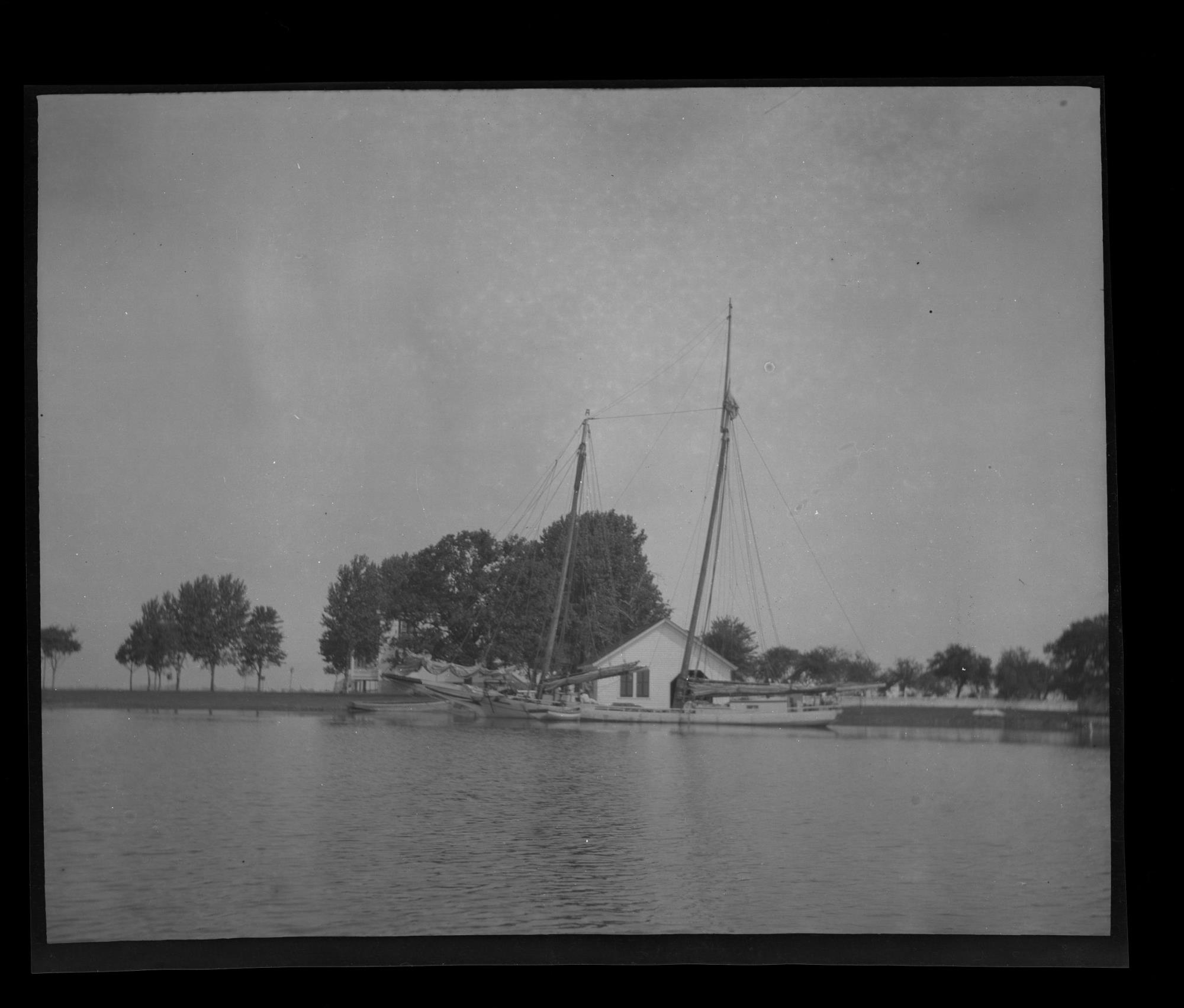 | View | |||
| 5 | 0000.1107.0038 | photographic negatives | ALEXANDER BOND on the hard (hard aground). | Hollerith, Herman Jr. __Photographer | The schooner is resting an the shore. Sails furled. Collector's number: M103-14 | 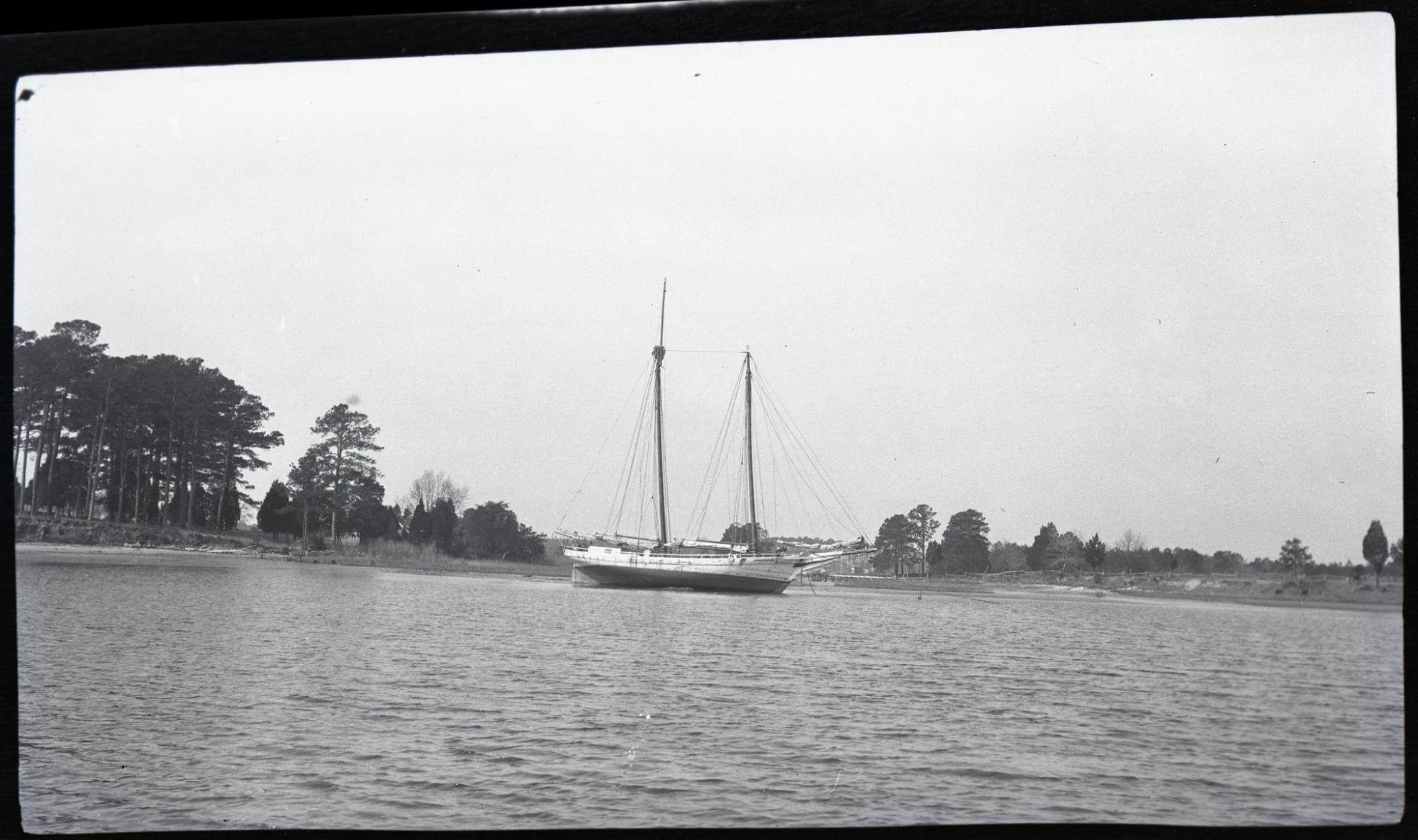 | View | |||
| 6 | 0000.1295.0914.00 | photographic prints | Schooner Alexander Bond under sail | Schooner Alexander Bond under sail. Very soft. No date, no place. Copied by The Mariners' Museum. For source, see 1295.0001. | No image URL. | View | ||||
| 7 | 0000.1101.0026 | Photographic prints | Alexander Bond at Brighton | Hollerith, Herman Jr. __Photographer | The round stern, square rigged bugeye is at the Brighton boathouse. A man is standing at the rail and the prow of a small boat can be seen just in front of the bugeye. A skiff is moored in the foreground and a figure is seen just behind the boathouse on the access way. | 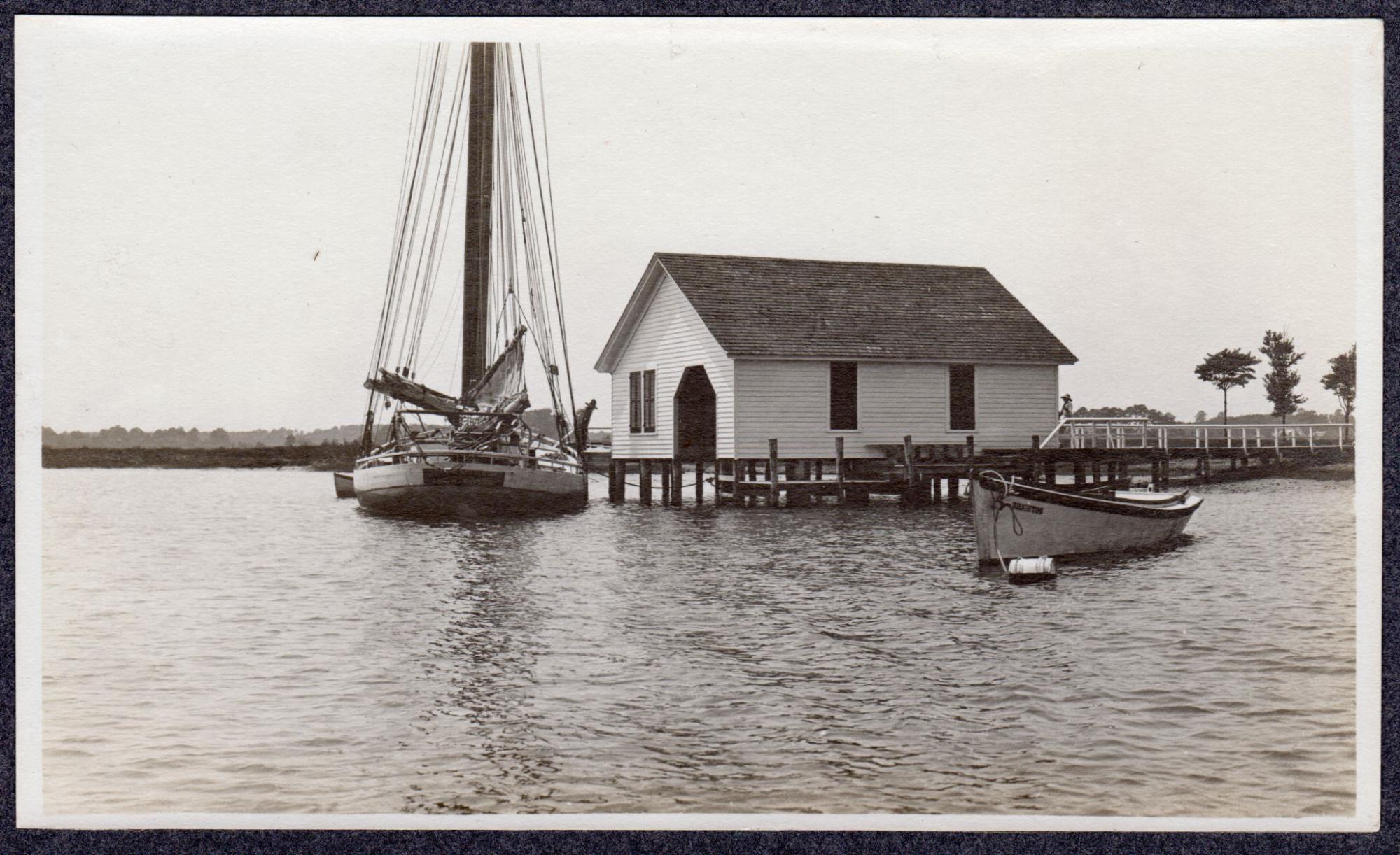 | View | |||
| 8 | 0000.1101.0027 | Photographic prints | Alexander Bond at Brighton, side view | Hollerith, Herman Jr. __Photographer | 1909 | View of the port side of the Alexander Bond with the boathouse behind it. A large skiff is moored behind the bugeye and a tender is attached at the side. | 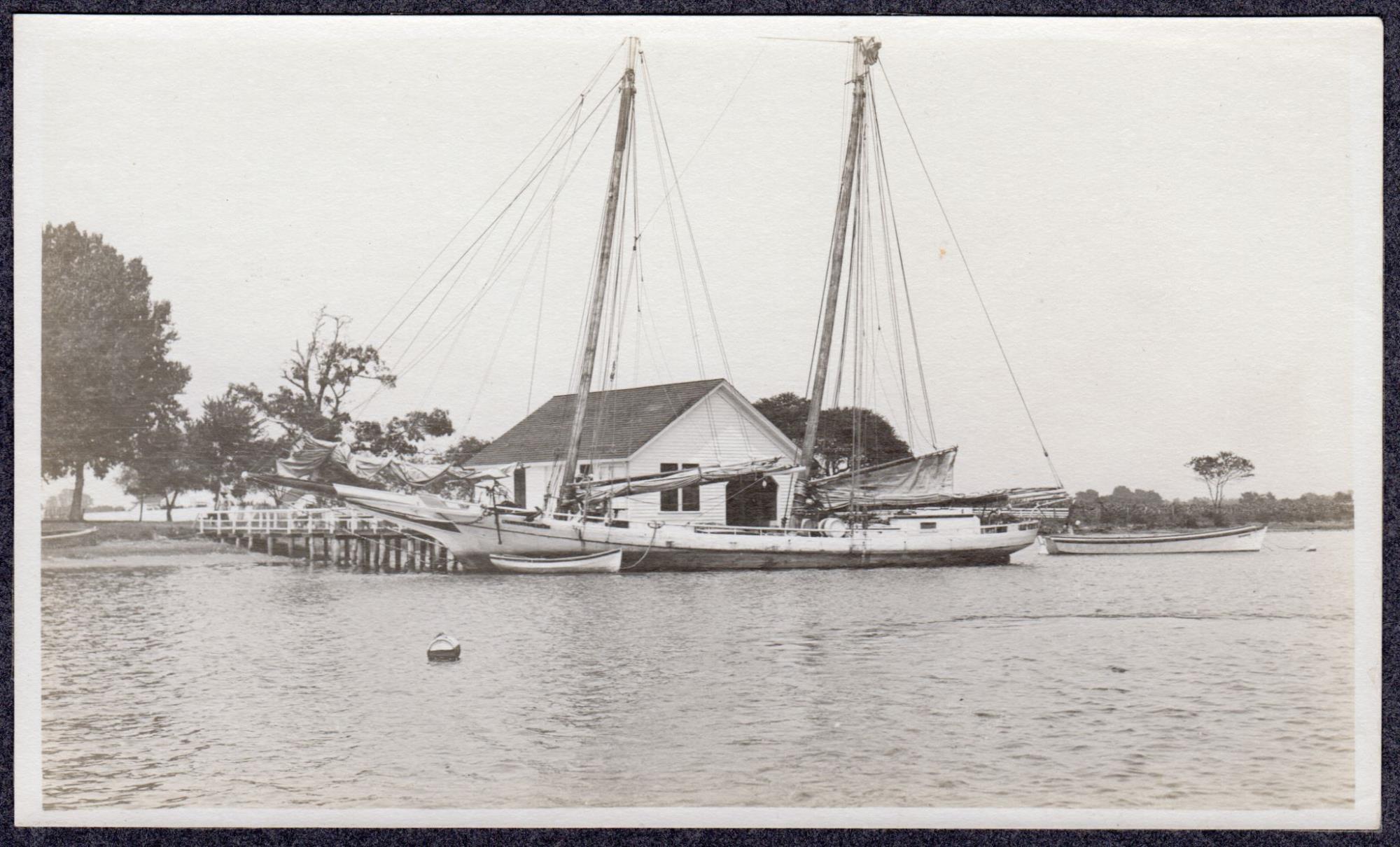 | View | ||
| 9 | 0000.1101.0030 | Photographic prints | Alexander Bond at Brighton | Hollerith, Herman Jr. __Photographer | The bugeye is being loaded at the wharf. Two men stand on the dock and one man is on the boat. A woman is standing behind the boathouse and a tender is tied to the boat's bow. A skiff is tied behind the wharf. | 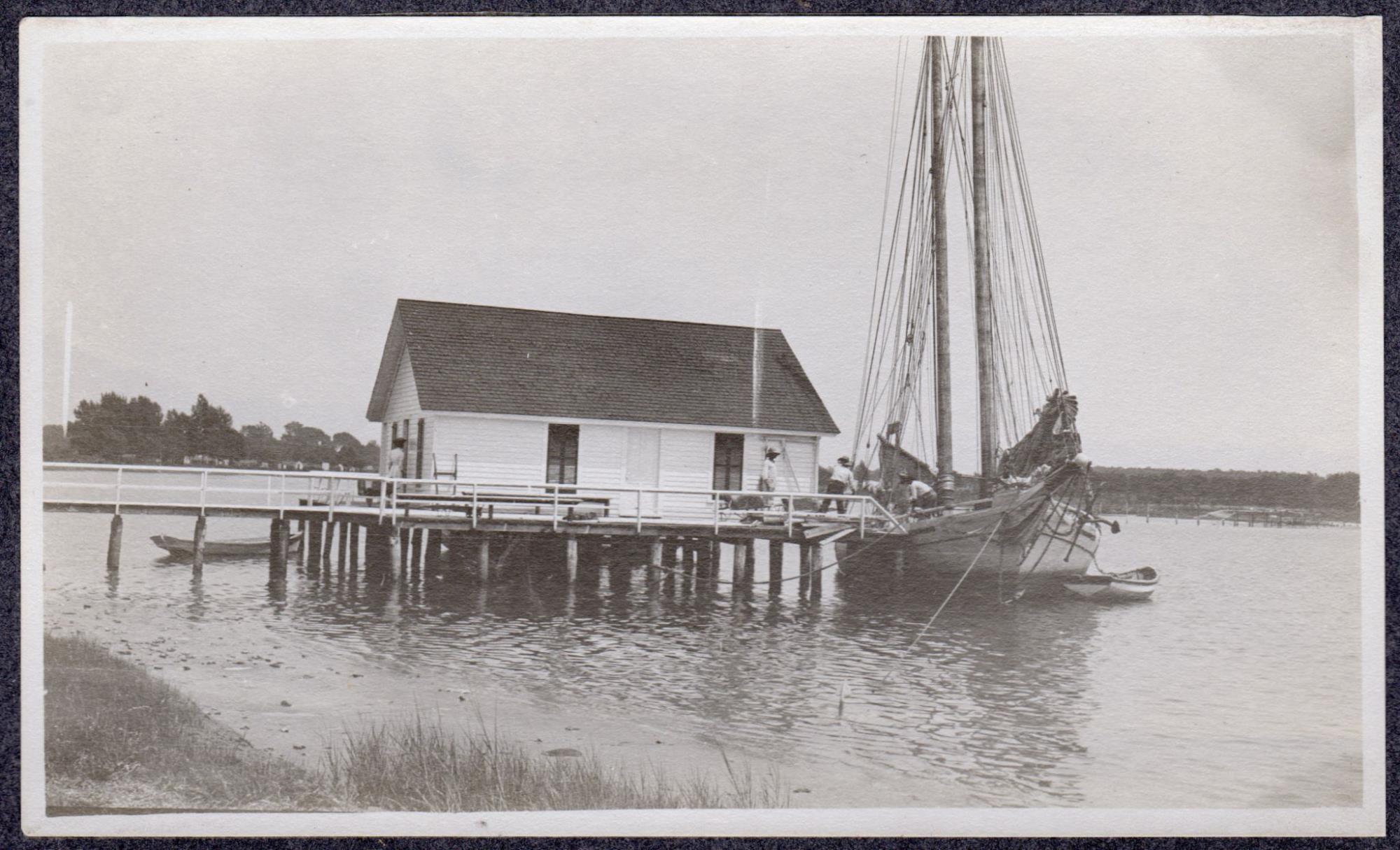 | View | |||
| 10 | 0000.1101.0033 | Photographic prints | Alexander Bond at Brighton Wharf | Hollerith, Herman Jr. __Photographer | Brighton, Matthews Co., Va | Two men pushing wheelbarrows toward the boat. Man working on boat with tender tired to bow. A skiff is visible behind the dock. | 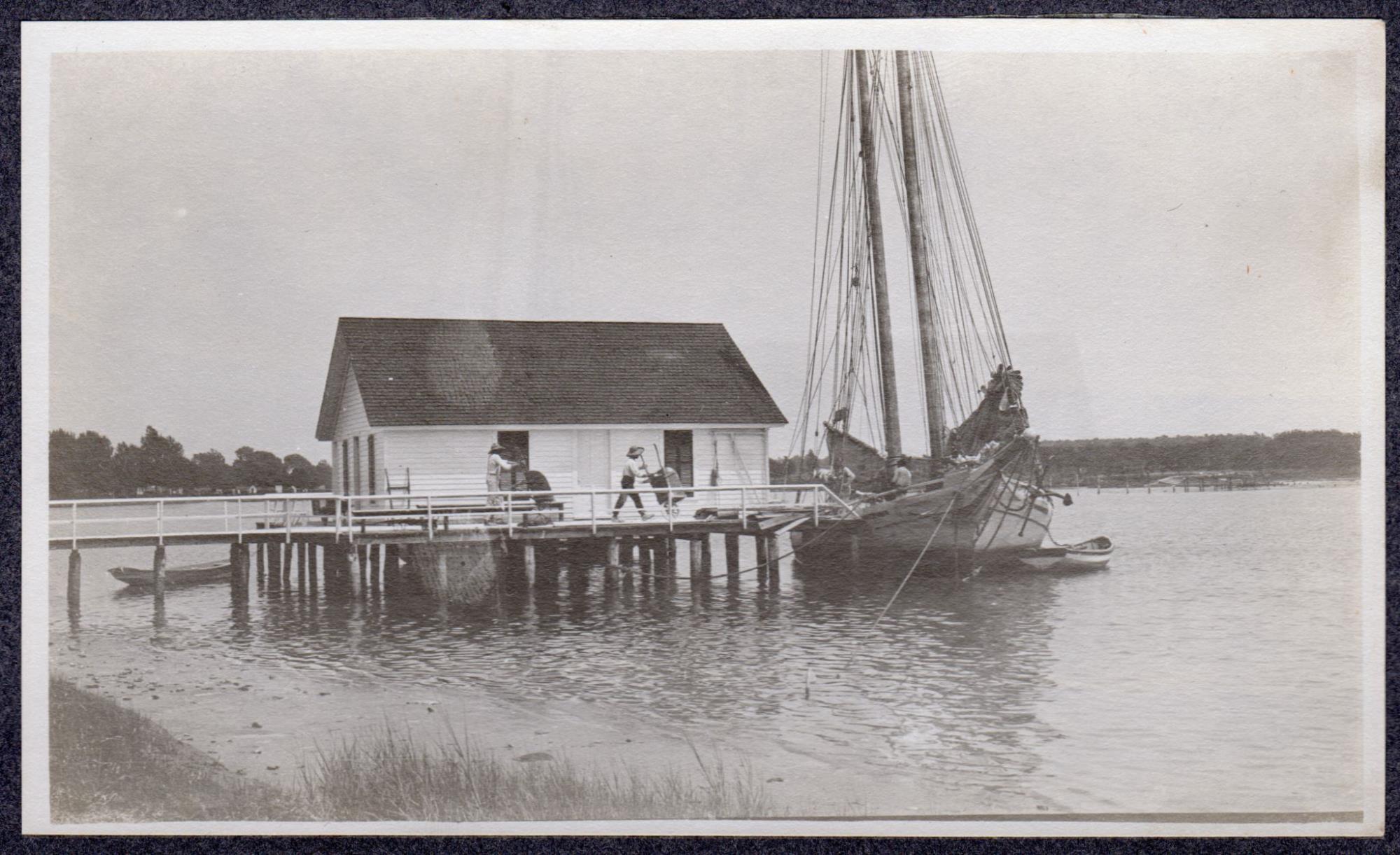 | View | ||
| 11 | 0000.1101.0035 | Photographic prints | Alexander Bond at Brighton Wharf | Hollerith, Herman Jr. __Photographer | 1909 | Brighton Farm wharf, Matthews County | Boat at wharf with no activity. House and outbuildings in background. Skiff behind dock. | 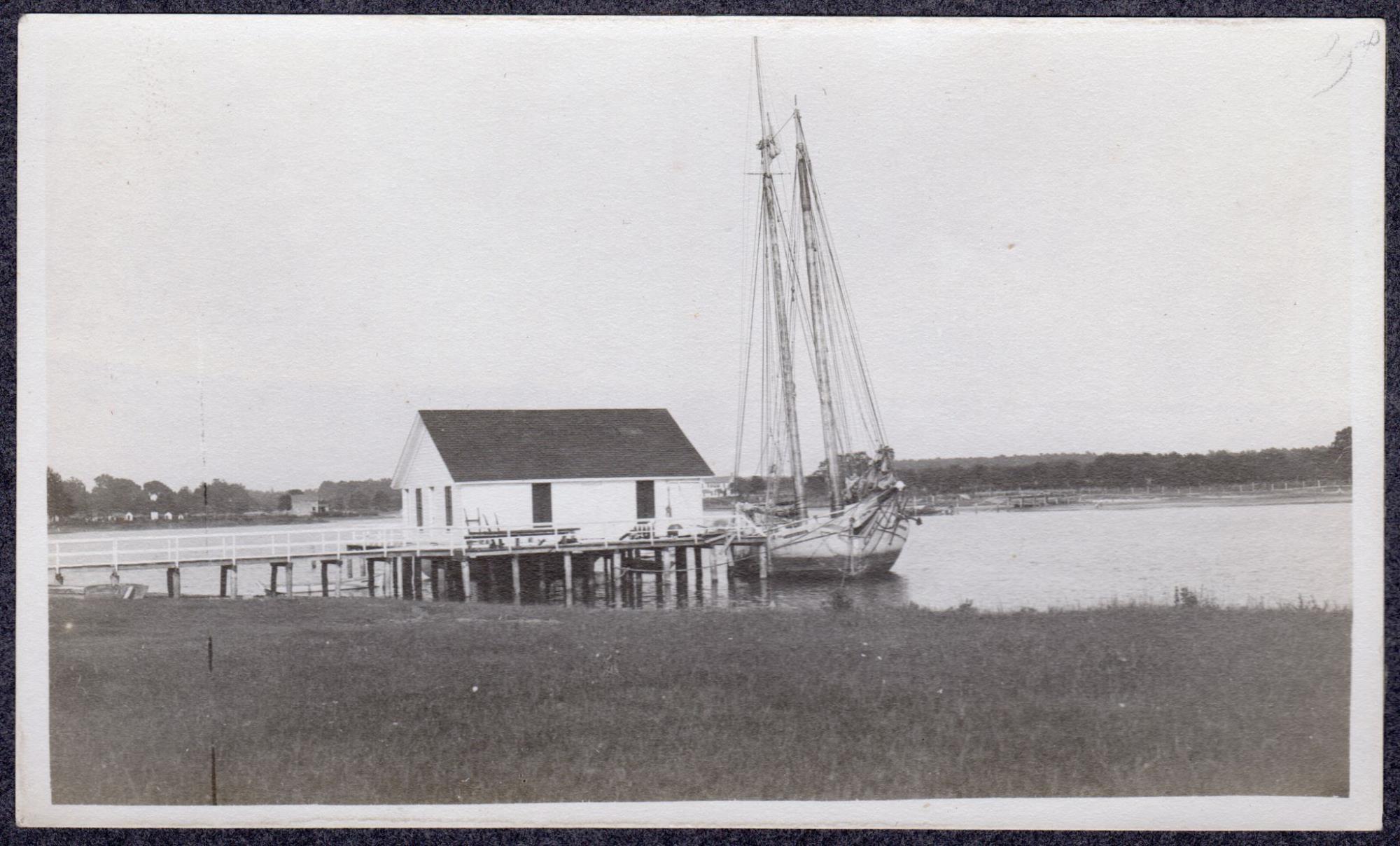 | View | |
| 12 | 0000.1101.0152 | Photographic prints | Alexander Bond at Brighton Wharf | Hollerith, Herman Jr. __Photographer | 1909-1910 | Brighton, Matthews Co., Va | Vessel with attached dingy beside the wharf with three men standing on the wharf. Outbuildings can be seen onshore. | 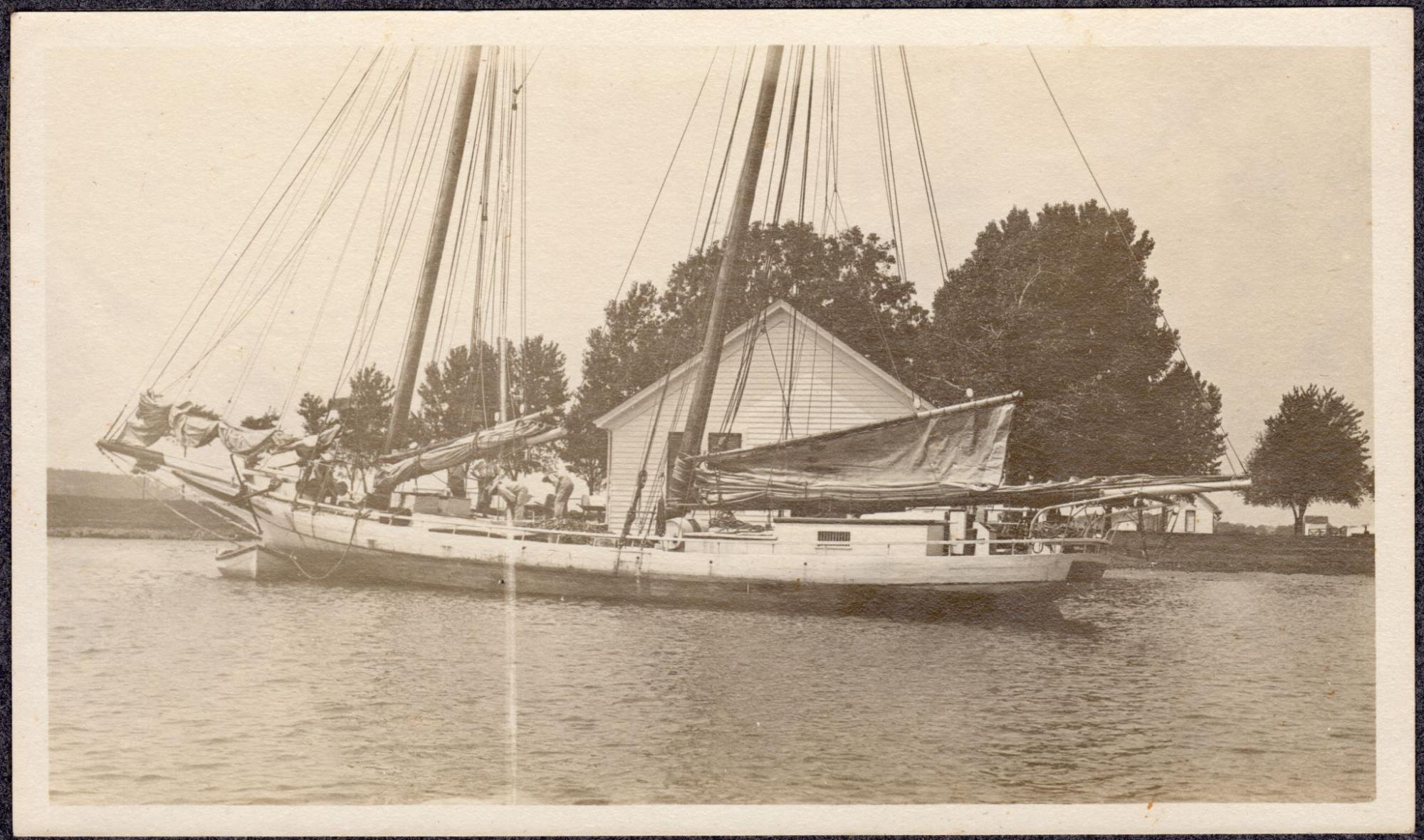 | View | |
| 13 | 0000.1101.0161 | Photographic prints | Alexander Bond and another boat in the East River | Hollerith, Herman Jr. __Photographer | There are two boats moored in the East River with the Bond on the left. A house and outbuildings are visible onshore. | 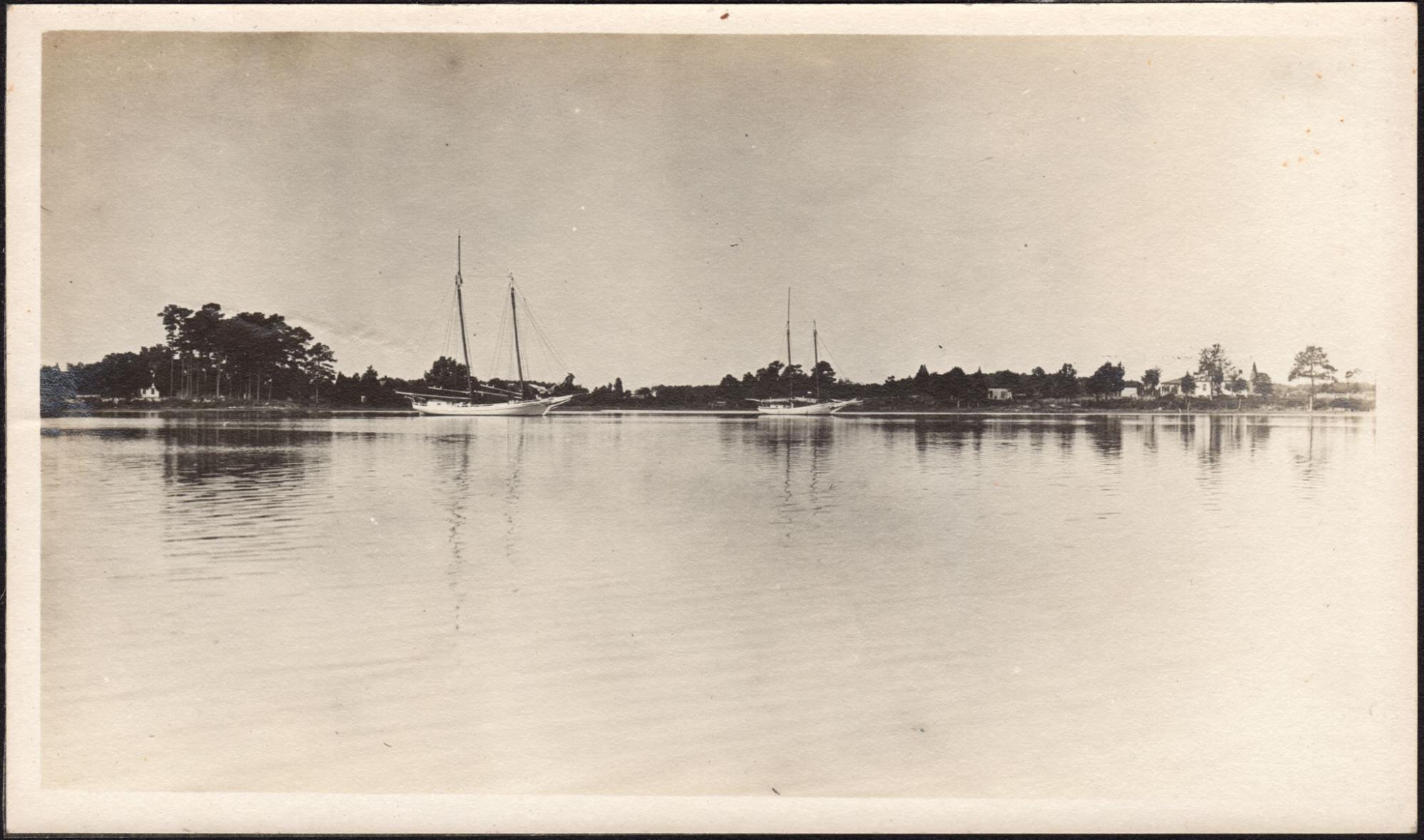 | View | |||
| 14 | 0000.1101.0162 | Photographic prints | Alexander Bond and another boat in the East River | Hollerith, Herman Jr. __Photographer | Another view of 1101.0161 with the Bond on the left. House and outbuildings onshore and a wharf and smaller craft visible. | 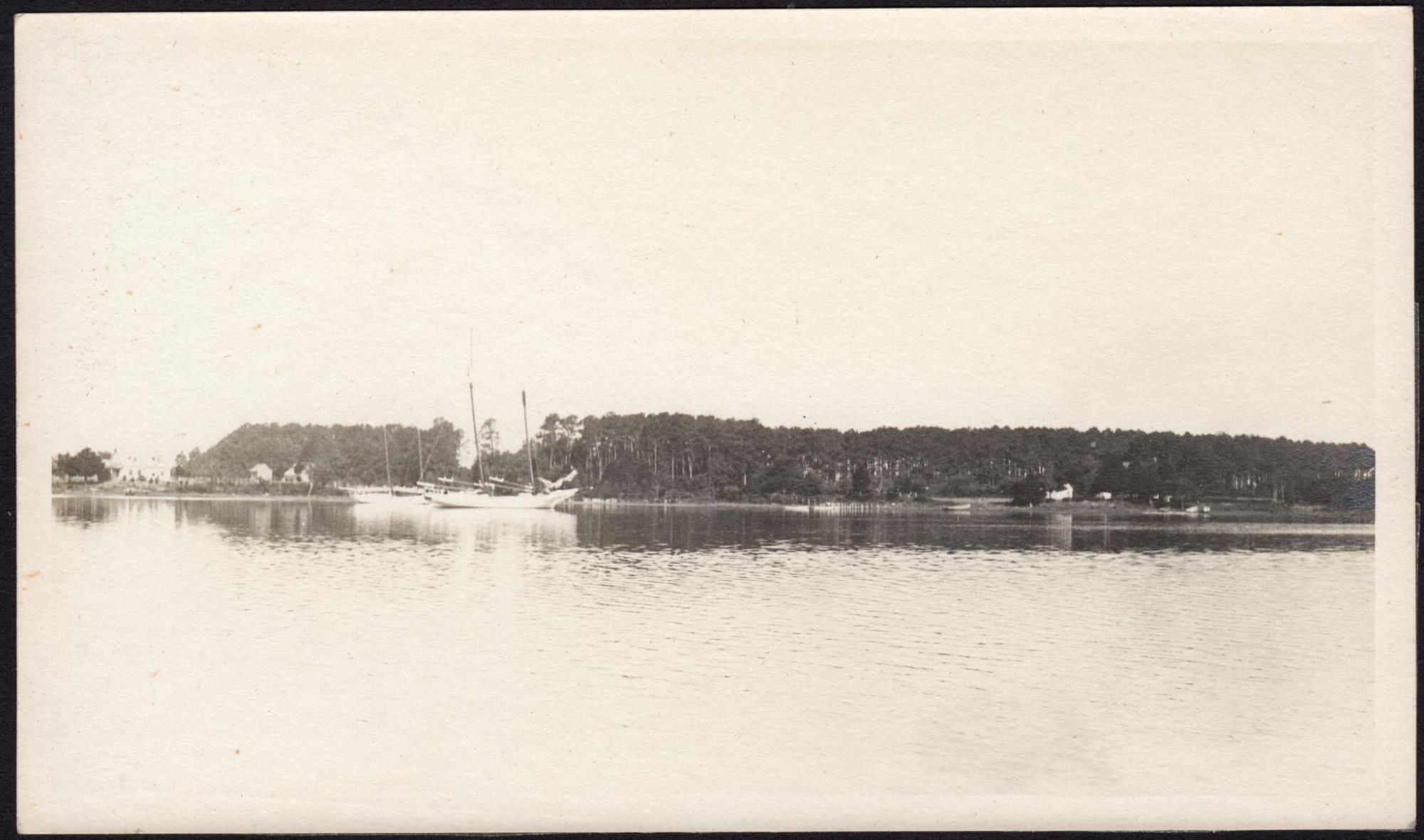 | View | |||
| 15 | 0000.1101.0170 | Photographic prints | Alexander Bond at Brighton Wharf | Hollerith, Herman Jr. __Photographer | The bugeye is moored behind the wharf house with the gaff rigged mizzen sail set. Outbuildings are visible on the far shore. There is a man on deck. | 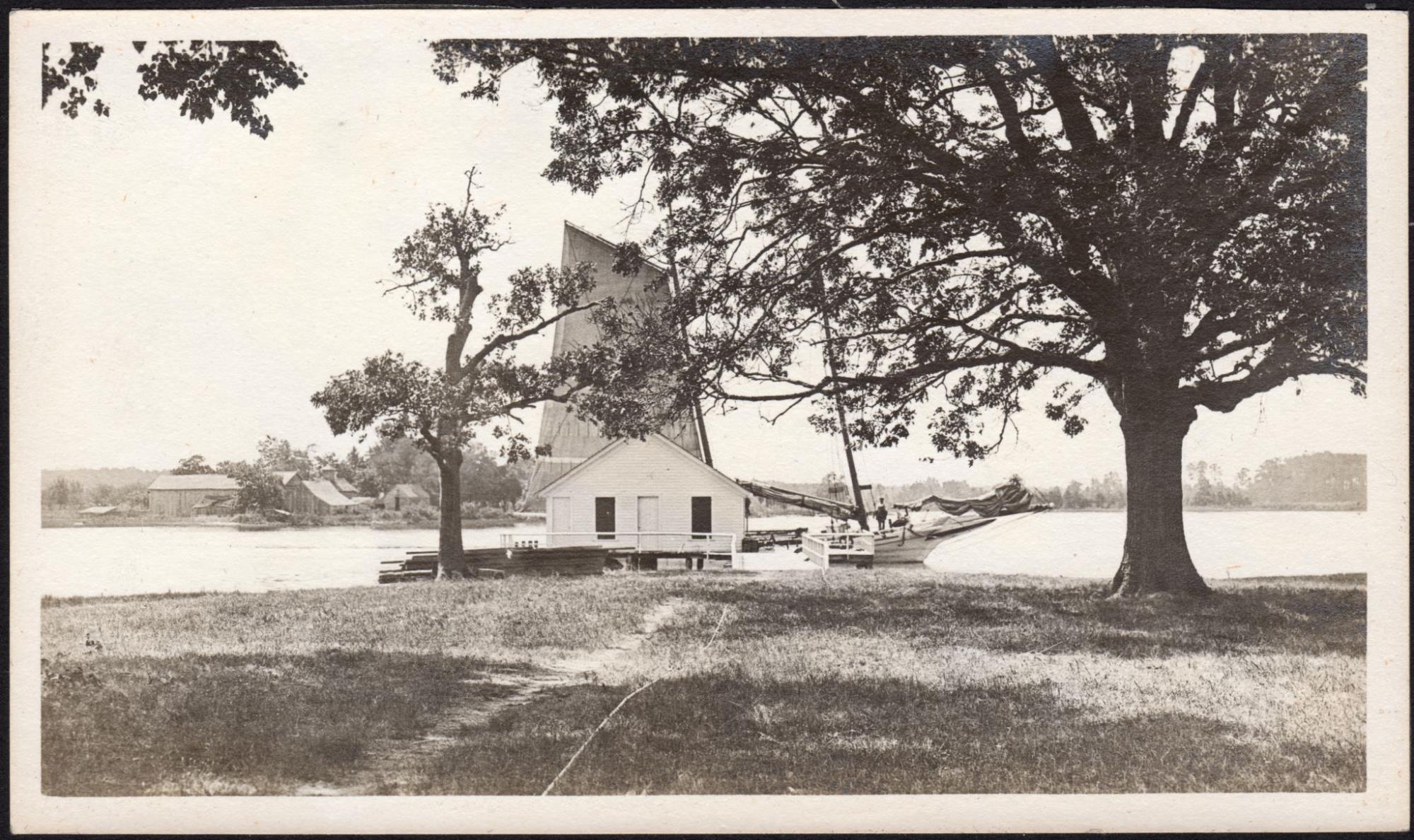 | View | |||
| 16 | 0000.1101.0171 | Photographic prints | Alexander Bond at Brighton Wharf | Hollerith, Herman Jr. __Photographer | Brighton | The Bond is moored in front of the wharf with the mizzen sail set. There is a man onboard and another standing in the tender. The Matoaka is moored behind the Bond and buildings are visible on the far shore. | 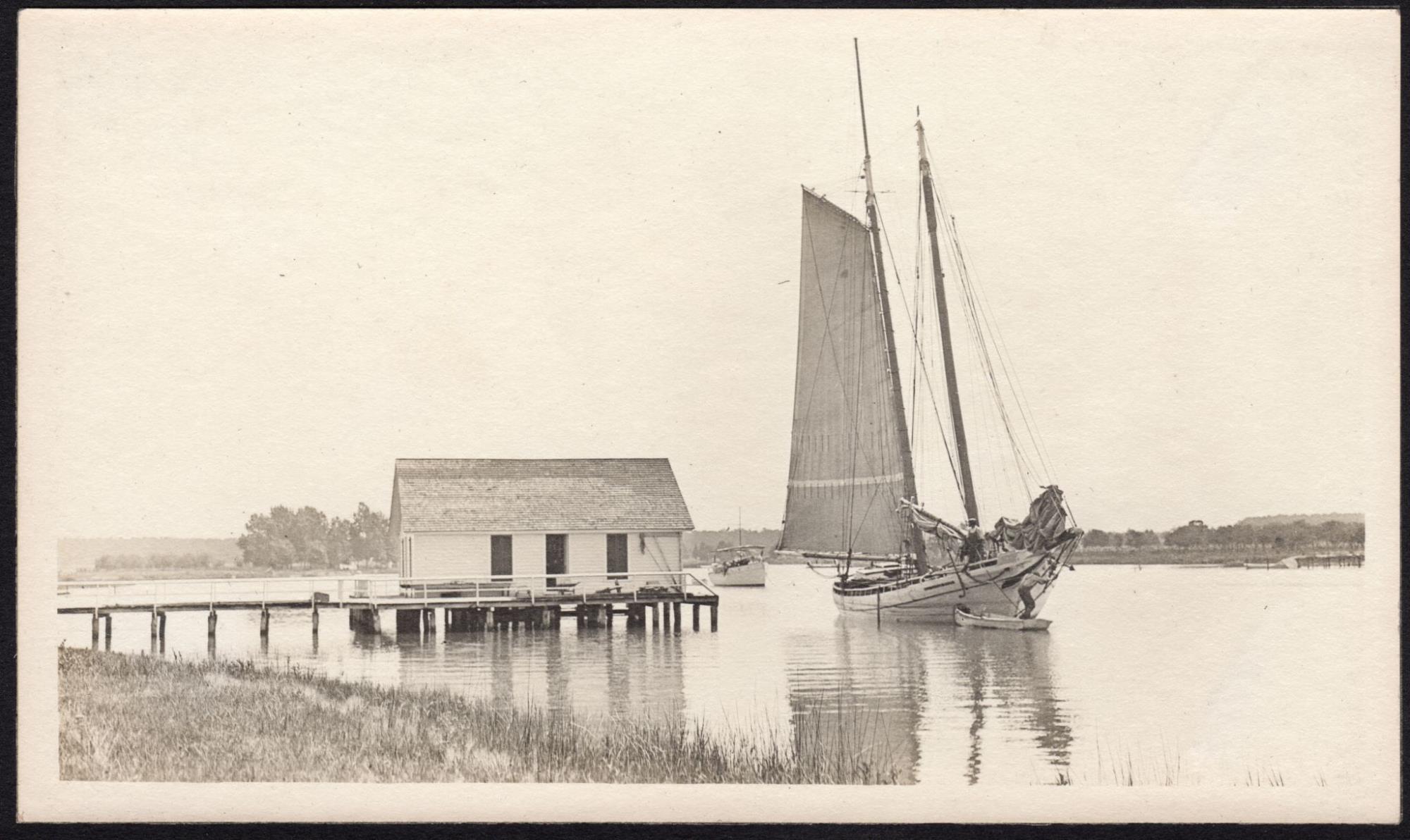 | View | ||
| 17 | 0000.1107.0040 | photographic prints | ALEXANDER BOND on the hard (hard aground). | Hollerith, Herman Jr. __Photographer | The schooner is resting an the shore. Sails furled. Collector's number: M103-16 | 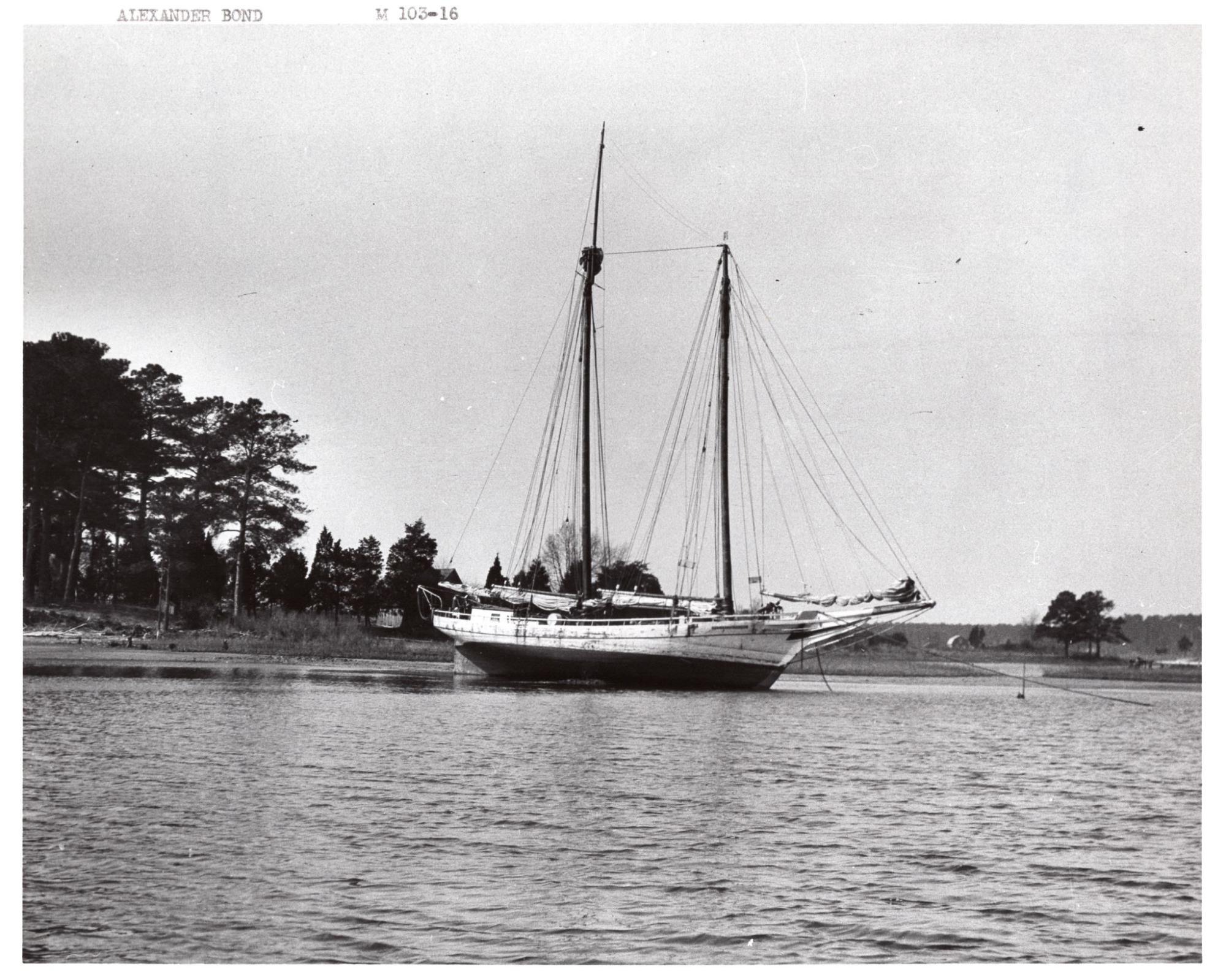 | View | |||
| 18 | 0000.1100 | photographs | Herman Hollerith, Jr. (1892-1976) Photo Collection | 1890-1970 | This is a collection of many photographs, which have not been cataloged individually. Please review the attachments for specific information on the images. <br /><br />Herman Hollerith, Jr. (1892-1976) Photo Collections (1890s--1970s) Biographical Background: Herman Hollerith, Jr. was born in 1892 at 3112 Q St., Georgetown, District of Columbia to Herman Hollerith, Sr. and Lucia Talcott Hollerith. His father invented the punch-card tabulating machine. He sold his company in 1911 to a firm that later became IBM. Other Hollerith children were Nan, Richard, Charles, Virginia and Lucia. The family lived in Georgetown, Garret Park and Montgomery County. In 1908 they bought a summer home in Mathews County, Virginia named Brighton. They spent their summers at Brighton from 1909. The family had a number of boats which were kept at Brighton: a New England dory named LUVINA; a flat bottomed power workboat named BRIGHTON; a 45 foot, gas powered yacht named REGINA, which was later renamed LUVINA and later still renamed MATOAKA, and an 85 foot vacht named LUVINA. The name Luvina was derived from the three daughter's names, Lucia, Virginia and Nan. Herman Hollerith, Jr. attended Worchester Polytechnic College with his borther, Charles, and received an engineering degree in 1917. He worked at the Naval Aircraft Factory in Philadelphia, and then at the Victor Talking Maching Company, where he was chief engineer and production engineer. During this time he lived in Riverton and Moorestown, New Jersey. He quit the Victor Talking Machine Company in 1928 when it was purchased by RCA. From 1932-1936 Hollerith was president of the Virginia Navigation Company and operated a small passenger steamer under contract to a large corporation. From 1936-39 he did not work during the Depression. In 1939 he moved to Baltimore to work for the Glenn L. Martin Company where he was involved in building airplanes during WWII. Hollerith worked until he was 69 years old. He was married twice. He and Sarah Valentine Fox had four children and were divorced in 1936. In 1938 he married Elisabeth C. Guest. In 1954 he bought a house near Oxford, Maryland and retired there in 1961. Hollerith was active in the early days ofnthe Chesapeake Bay Maritime Museum and was instrumental in the move of the Hooper Strait Lighthouse to the grounds. Hollerith had a love for boats and owned the ERIC, launched in 1925, until his death. This sailboat was an Atkins design based on a Norwegian ketch. ERIC was the prototype of the Westsai1 32. Hollerith died in 1976. For more information about the Hollerith family researchers should consult: HERMAN HOLLERITH: FORGOTTEN GIANT OF INFORMATION PROCESSING, by Geoffrey D. Austrian; NY: 1982, Columbia University Press. Scope and Content: This collection consists of photos taken or collected by Hollerith. The bulk of photos were taken by Hollerith of scenes from 1915-1940. They feature steamboat and sailboat scenes on the lower Chesapeake. Many of the photos were taken on cruises around Mathews County, Va. Some photos (especially M series negatives) were collected by Hollerith and taken by his father and brothers. The photos depict the agriculture life of the lower western shore and often show the introduction of power. Many of these photos have been published. The water was an important focus for life in Brighton. Mrs. Elisabeth Hollerith supplied a quote from Hollerith about life in Brighton: We did everything by boat, used the daily steamer from Norfolk for transportation to and from Washington and for most supplies including ice. Met the steamer at one of the wharves on the East River each day to pick up mail, visiting friends, etc. The roads were so bad we rarely went inland. Went to church and to visit our friends in a motor boat. In addition to the following subject indices, the researcher should note that Hollerith had his own subject indices. These are available to researchers and especially useful in looking for boat names. They are stored with the negatives. Subjects:Airplanes; Caribbean; C & D Canal; Eastern Shore; Hollerith, Herman, Jr.; Log canoes; Mathews county, Va.; Old Point Comfort, Va.; Sailboats, commercial; Seafood Industry; Steamboats, Chesapeake Bay; Washington, DC; workboats, Chesapeake Bay. Subject: Herman Hollerith Jr | 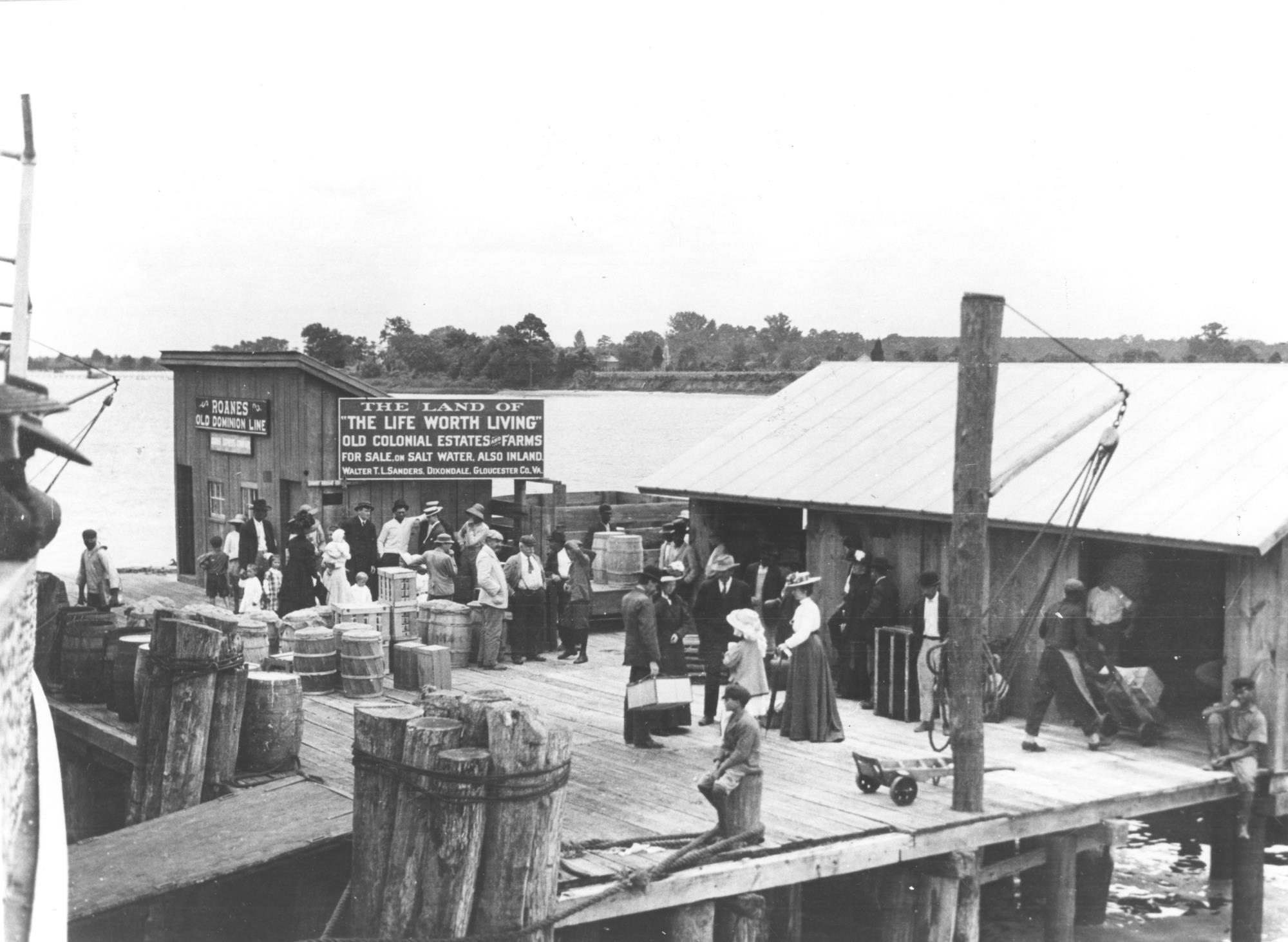 | View | |||
| 19 | 1993.0067.0124.01 | ships plans | Alexander Bond | Earle, John G __Creator | Plans for the Alexander Bond drawn by John G. Earle. Plan A is a preliminary hull lines drawing. Material is pencil on paper. | No image URL. | View | |||
| 20 | 1993.0067.0124.02 | ships plans | Alexander Bond | Earle, John G __Creator | Circa 10/01/1933 - | Plans for the Alexander Bond drawn by John G. Earle. Plan B is an unifinished hull lines drawing. Material is pencil on paper. | No image URL. | View | ||
| 21 | 1993.0067.0124.03 | ships plans | Alexander Bond | Earle, John G __Creator | Exact 12/17/1933 - | Plans for the Alexander Bond drawn by John G. Earle. One set of Plans C-E. Plan C is a hull lines drawing. Plan D is a blue line print of Plan C. Plan E is a blueprint copy of Plan C. Material for Plan C is black ink on tracing linen; Plan D is a blue line print; Plan E is a blueprint. | No image URL. | View | ||
| 22 | 1985.0005.0001.00 | steering wheels | Wood steering wheel reportedly from the sidewheel | Wood steering wheel reportedly from the sidewheel paddle steamer RIVER QUEEN. The wheel has 10 spokes connected to the metal brass hub. On the outer ring there are 10 inlaid metal stars and 10 inlaid wood diamonds. The RIVER QUEEN was built in 1864 and was used by President Lincoln during the Civil War. Condition: The ends of 3 spokes are loose and had been repaired at an earlier time, heavily varnished & discolored. Material: Oak? with metal hub, brass. | 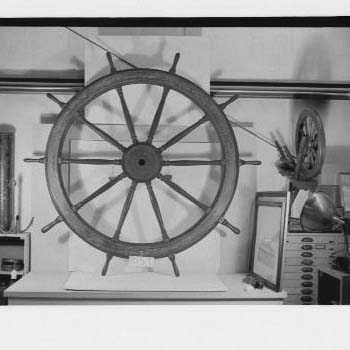 | View |
Created 2026 by Don Barker, CBMM volunteer, for the Chesapeake Shipbuilding Project. shipbuilding@sailingworkboats.es